
A Long Layover at Narita? Explore the Towns Around the Airport on a Free Tour
17 September 2026
A five or six hour connection at Narita Airport is too long to spend waiting in the terminal, yet too short to plan a trip into Tokyo with confidence. From October 2026, these travellers have a new option: Narita Airport is bringing back its Narita Airport Transit & Stay Program for the first time in six years, after it was suspended during the COVID-19 pandemic.
What the Program Is
The program offers tours for passengers making international connections at Narita. The airport has worked with six towns around it in Chiba Prefecture to create routes that fit into a layover. English-speaking local volunteers guide each tour, and there is no tour or guide fee. Transport, meals and admission fees are paid by participants themselves.
The tours restart on 1 October 2026, and reservations have been open since 15 September 2026 through the program’s website.
Six Routes to Match Your Time
Each town offers one standard tour, ranging from 3 to 6 hours. Every town can be reached from the airport by train in under an hour.
| Town | Tour length | Highlights |
|---|---|---|
| Narita | 3 hours | Naritasan Shinshoji Temple and the Omotesando street |
| Tako | 4 hours | Rice fields and countryside, explored by electric-assist bicycle |
| Shibayama | 4 hours | Museum of Aeronautical Sciences and a home-style lunch |
| Katori | 5 hours | An Edo-period canal town and Sawara Hariko papercraft |
| Sakae | 5 hours | Boso no Mura open-air museum, yukata dressing and samurai history |
| Kozaki | 6 hours | A village of fermentation, with sake breweries and local fermented food |
Narita, the Shortest Route
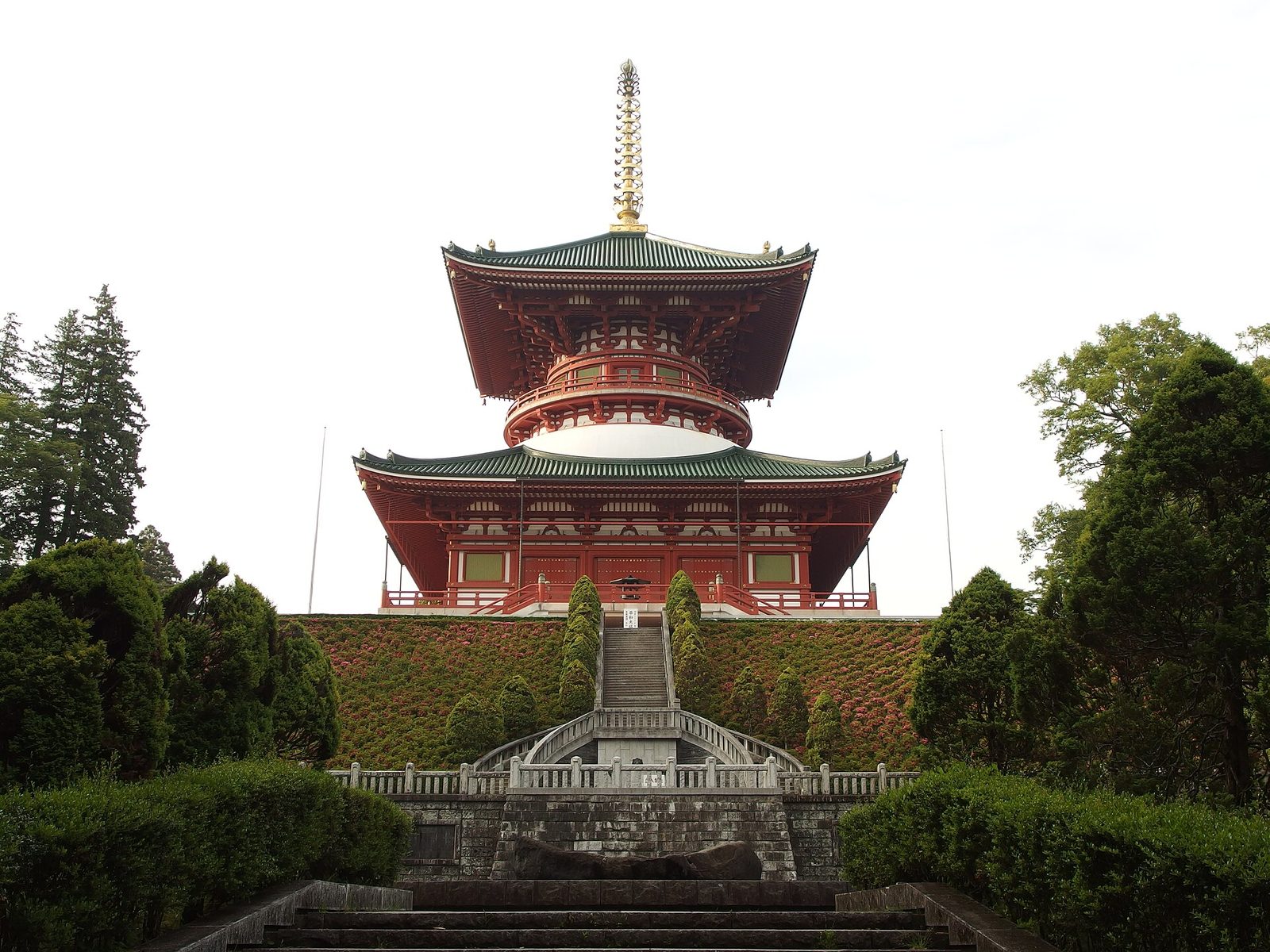
For travellers with little time, Narita is the best choice. The highlight is Naritasan Shinshoji, a large temple with more than a thousand years of history. Its grounds are spacious, with historic halls, a large red pagoda and a garden with a pond at the back.
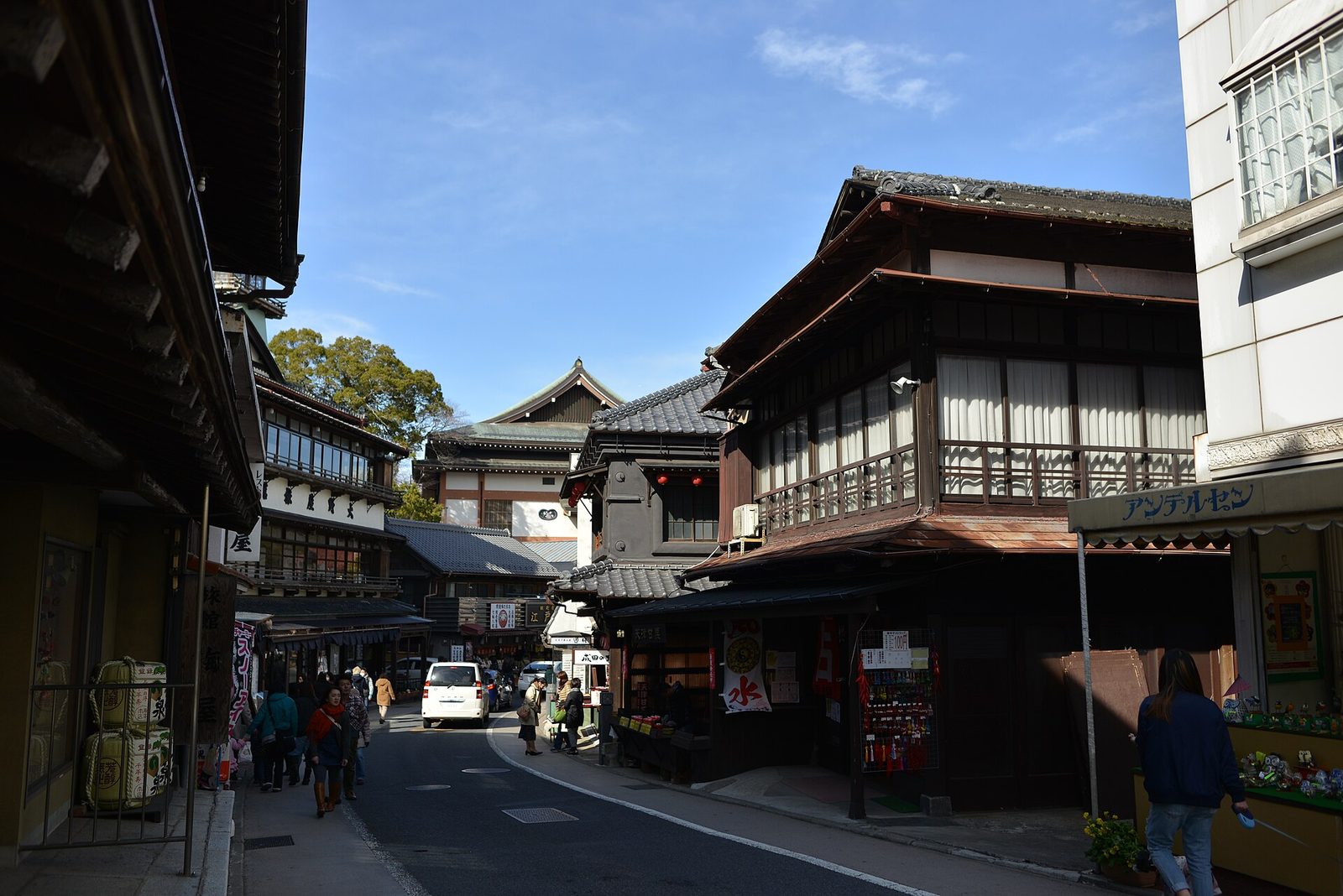
The walk from the station to the temple follows Omotesando, a narrow street lined on both sides with old wooden buildings. Most shops sell souvenirs, sweets and local food, and the street is best known for its grilled eel restaurants. Strolling slowly along this street is as much a part of visiting Narita as the temple itself.
Katori, the Canal Town Called Little Edo
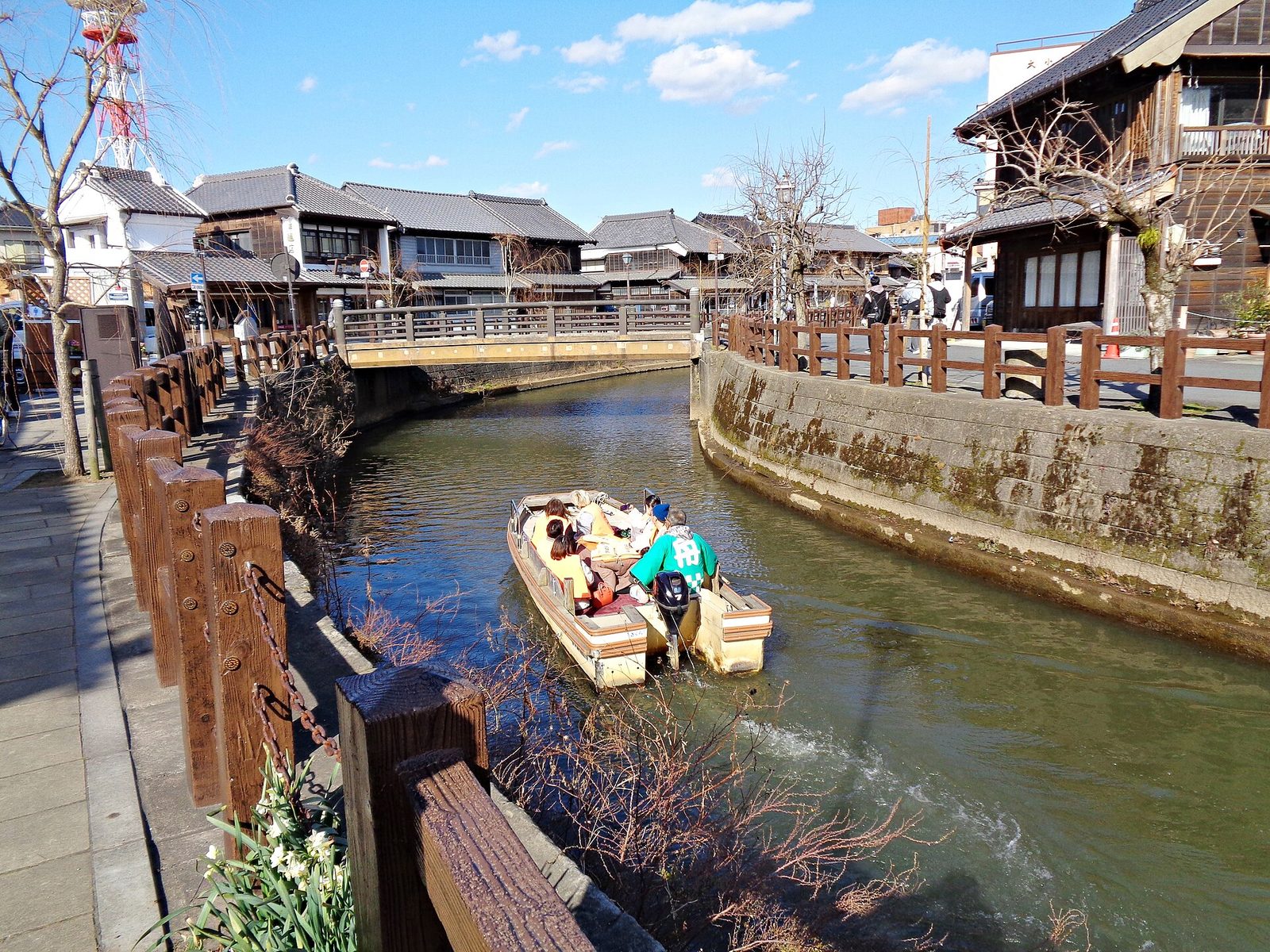
The Sawara district of Katori was once a river trading port. Its old houses and merchant shops along the canal are so well preserved that the area is known as Little Edo. This tour walks through the old town and introduces Sawara Hariko, a traditional local papercraft. It suits anyone who enjoys photographing historic streets.
Sakae, a Step Back in Time
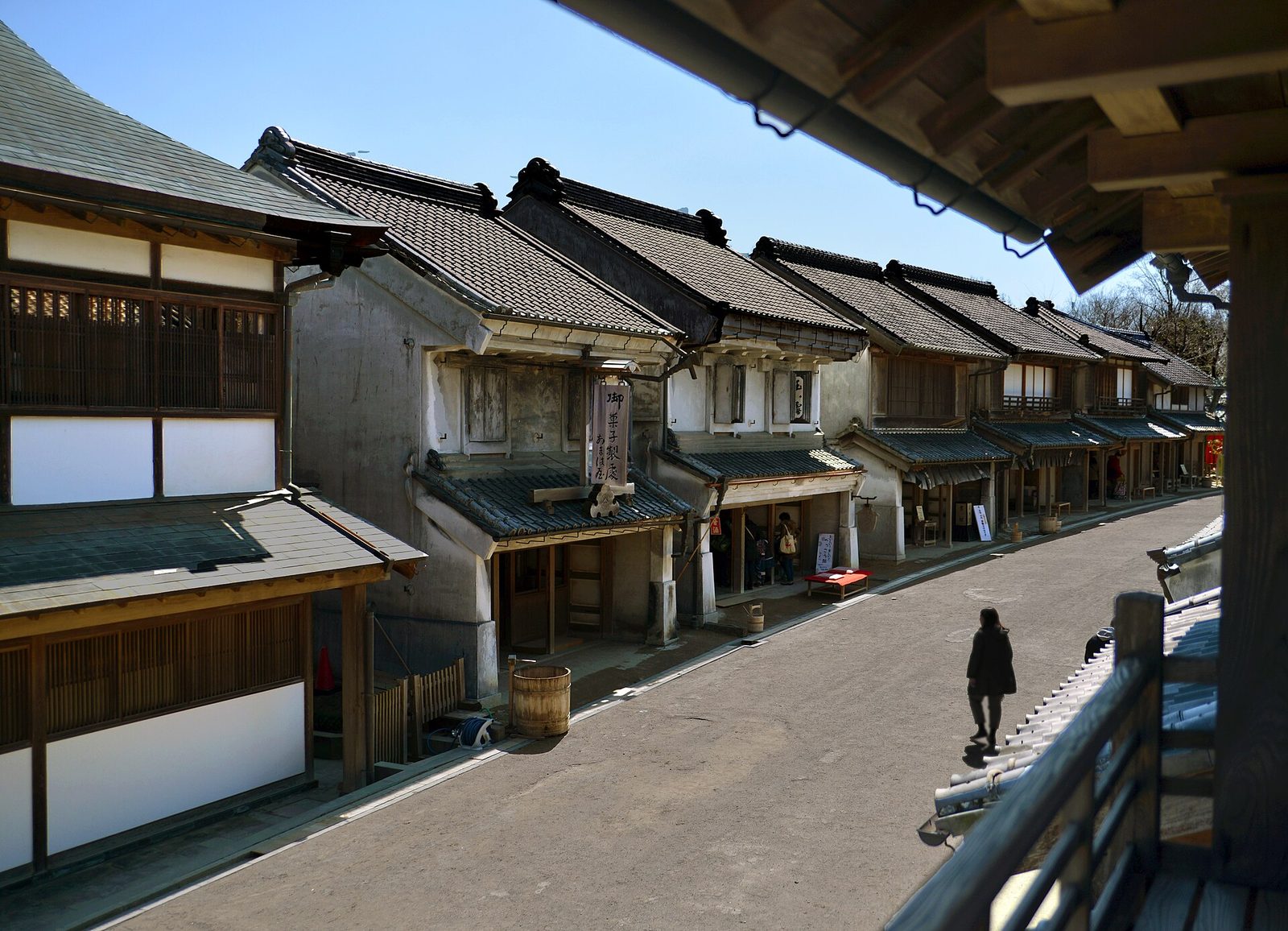
The highlight of Sakae is Boso no Mura, an open-air museum that recreates the houses, shops and farmhouses of this region in the past. Participants can try on a yukata and hear stories of the samurai. It is a route that shows traditional Japan in one place.
Shibayama, for Aviation Fans
Shibayama sits right beside the airport, and its main stop is the Museum of Aeronautical Sciences, which displays aircraft and many kinds of aircraft parts. The tour also includes a home-style local lunch, making it a good choice for families with children who love planes.

Tako and Kozaki, Countryside and Fermentation
Tako is known for its rice, and this tour offers electric-assist bicycles for riding through the fields and countryside. Kozaki is known as the village of fermentation, with sake breweries and local fermented food to discover. This is the longest route in the program, so it suits travellers with a very long layover.
If the Tour Times Do Not Fit
The program’s website offers self-guided maps to download. If your connection does not match a tour departure, you can use these maps to follow the routes on your own at a time that suits you.
Plus Tours for a Deeper Experience
Besides the free tours, the program offers Plus Tours, which are paid tours led by guides with in-depth local knowledge. Examples include visiting a sake brewery, forging a Japanese knife, ninja training and joining local festivals, such as helping to pull a float at the Narita Gion Festival in July 2027. Details and schedules for each tour are on the program’s website.
Before You Book
The first thing to consider is your connection time. The stated tour length covers only the sightseeing. It does not include passing through immigration to leave the airport, or checking in and passing security again before your next flight. Choose a route that is comfortably shorter than your actual layover.
The second is entry requirements, which depend on your nationality and ticket type. Check the latest conditions on the program’s website every time before you book. It also helps to carry a small bag that is easy to walk with, and to have cash or a card ready for train fares, meals and admission.
Book tours and see full details on the Narita Airport Transit & Stay Program website.
If Narita is where your trip begins rather than a connection, especially if you are travelling with young children, older family members or several suitcases, a private airport transfer with a driver takes you from the airport to your accommodation without changing trains. The driver meets you in the arrivals hall, loads your luggage and drops you at the entrance of your accommodation.
More Articles You May Like
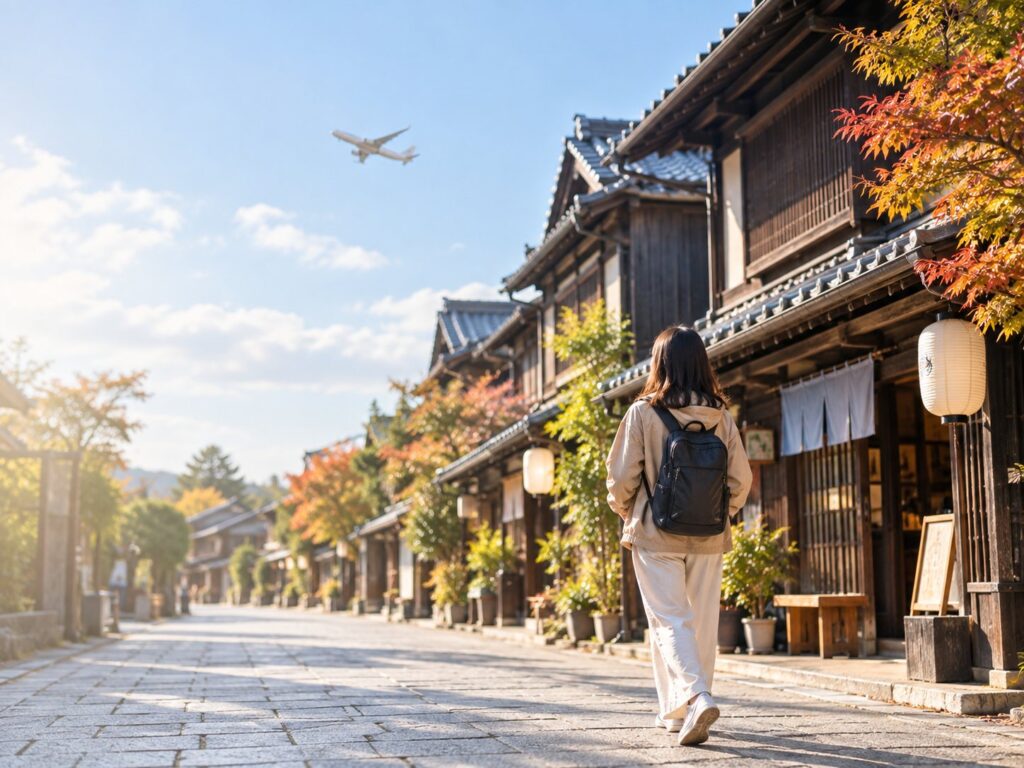
A Long Layover at Narita? Explore the Towns Around the Airport on a Free Tour
Narita Airport has brought back its Transit & Stay Program after six years.
Tokyo to Mount Fuji: How to Get There and Which Side to Visit
A comparison of three ways to reach Mount Fuji from Tokyo and who each one suits, plus which side of the mountain to visit and when you have the best chance of seeing the summit.
Shirakawa-go: The Thatched Village in the Mountains, and the Best Season to Go
Shirakawa-go is a village of thatched farmhouses in a mountain valley where people still live today.
Let Us Plan a Route That Suits Your Group
Tell us how many are travelling, how many days, and where you would like to go. We will plan the route and send you a quotation free of charge.