
Where to Play in the Snow in Hokkaido, and What Not to Miss
17 September 2026
Hokkaido is the first place many travellers think of when they want to see snow, yet plenty of visitors end up only taking photos beside a pile of snow at the roadside, even though there are snow parks you can really enjoy without knowing how to ski. This article covers where to go, when the snow is deepest, and what to bring.
Which Month Has the Deepest Snow
Hokkaido’s snow season is longer than people think, and each month offers a different experience. If you can choose your month, choose it by what you want to do rather than simply by the word winter.
| When | Conditions and what you can do |
|---|---|
| Late November to December | Snow begins to fall and ski areas open one by one. It is not yet deep, but towns put up illuminations and there are fewer people than at the peak |
| January to February | The deepest and finest powder snow of the year, the season of the snow festivals and the busiest time for visitors |
| March | Still snowy, but the snow becomes firmer and melts in places in town. The weather is less harsh, which suits trips with older relatives or young children |
Snow varies from year to year In warmer years the snow arrives later and is thinner. Before booking, check whether the area you plan to visit has opened. Most publish their opening and closing dates for each season on their own websites.
Enjoying the Snow Without Knowing How to Ski
Many visitors do not want to ski seriously. They simply want to play in the snow, take photos and let the children have fun. These areas have separate zones for exactly that, with no skills needed and equipment for hire on site.
- Sapporo Teine Within Sapporo city limits and the closest option if you are staying in town. It has a sledging zone separate from the ski runs and views over the city and the sea.
- Sapporo Kokusai Known for high-quality snow and not far from the city, making it well suited to a day trip.
- Rusutsu A large resort with snow areas, an indoor amusement park and its own accommodation, ideal for families who want to stay overnight.
- Niseko World-famous for powder snow, with the largest number of English-speaking instructors in Hokkaido, ideal for anyone who wants to start skiing properly.
- Kiroro Very deep snow, and in some years open until around May, which suits visitors travelling late in the season.
- Furano Far fewer people than Niseko, a quiet atmosphere, and easy to combine with a visit to Biei.
Winter Festivals Worth the Trip
If you would rather not play in the snow but want to see it in a beautiful setting, Hokkaido has winter festivals in many towns, most of them held between January and February.
- Sapporo Snow Festival The largest of all, with building-sized snow and ice sculptures in Odori Park, held in early February. Hotels in the city fill up very quickly.
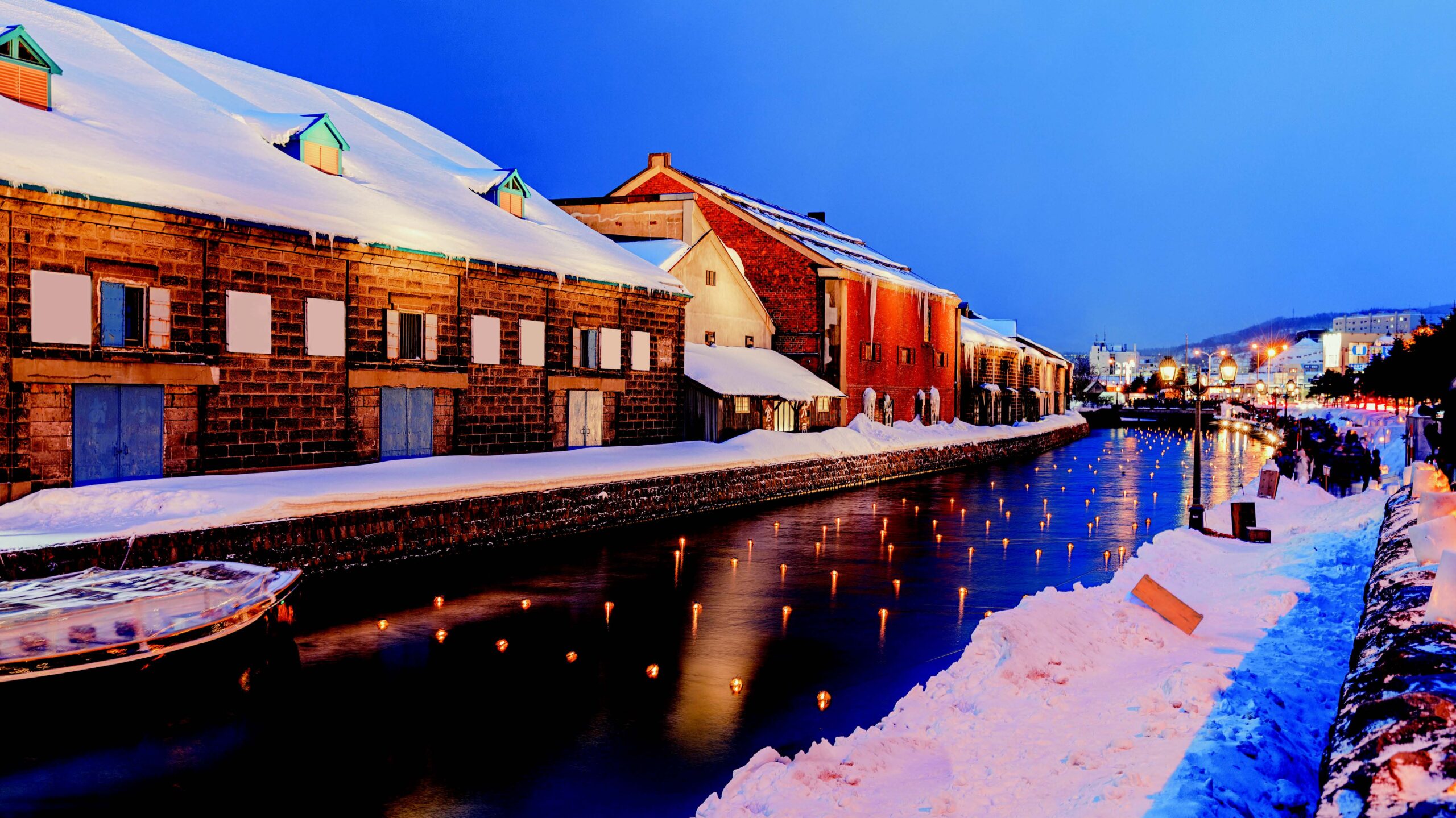
- Otaru Snow Light Path Candle lanterns line the canal and lanes throughout the town, one of the most atmospheric events in Japan.
- Lake Shikotsu Ice Festival Ice sculptures made from the lake’s own water, lit in clear blue at night.
- Asahikawa Winter Festival Held around the same time as the Sapporo festival and easy to combine with Asahiyama Zoo and its winter penguin parade.
- Drift ice at Abashiri Board an icebreaker to see drift ice from the Sea of Okhotsk, available only from about late January to March.
What to Pack, and What to Get Once You Arrive
Hokkaido is almost always colder than visitors expect, but you do not need to bring everything you own, because some items are easier to buy or hire there.
- Bring with you A windproof and waterproof coat, waterproof gloves, a hat that covers your ears, a scarf and thick socks. Base layers should be thermal.
- Footwear matters most Soles must be non-slip and waterproof. Smooth soles on ice are genuinely dangerous, and many people fall on town pavements rather than on the slopes.
- No need to buy before you go Ski wear and snow equipment can be hired at every area, which is cheaper and saves carrying it home.
- Cheaper to buy in Japan Heat packs, sold at every convenience store and pharmacy.
- Slip-on shoe grips Sold at hundred-yen shops and general stores across Hokkaido. They are inexpensive and help a great deal.
Planning a Snow Trip That Is Not Too Tiring
A winter trip takes more energy than other seasons. You walk more slowly, wear more layers and lose the light earlier. Planning this way makes it easier.
- Keep outdoor activities to the morning and early afternoon In winter, Hokkaido gets dark from around four in the afternoon.
- One snow area a day is enough Half a day of play is tiring. Spend the rest at an onsen or indoors.
- Allow more travel time than usual Snowy roads slow vehicles down, so the same distance takes noticeably longer than in summer.
- End the day at an onsen Noboribetsu, Jozankei and Lake Toya are all within reach of Sapporo.
- Do not pack your plans on snowstorm days Hokkaido has days when heavy snow closes outdoor activities, so always keep an indoor backup plan.
Most snow areas and winter festivals are outside the cities and spread in different directions. A car with a driver who is used to snowy roads helps both with safety and with not having to wait for a bus in sub-zero temperatures with your luggage.
More Articles You May Like
A Long Layover at Narita? Explore the Towns Around the Airport on a Free Tour
Narita Airport has brought back its Transit & Stay Program after six years.
Tokyo to Mount Fuji: How to Get There and Which Side to Visit
A comparison of three ways to reach Mount Fuji from Tokyo and who each one suits, plus which side of the mountain to visit and when you have the best chance of seeing the summit.
Shirakawa-go: The Thatched Village in the Mountains, and the Best Season to Go
Shirakawa-go is a village of thatched farmhouses in a mountain valley where people still live today.
Let Us Plan a Route That Suits Your Group
Tell us how many are travelling, how many days, and where you would like to go. We will plan the route and send you a quotation free of charge.