
Shirakawa-go: The Thatched Village in the Mountains, and the Best Season to Go
17 September 2026
The picture everyone knows is a village of steep roofs buried in snow. Once you arrive, though, you find that this is not an open-air museum. It is a village where people really live, with washing hung out behind the houses and rice growing in the paddies between them.
Why the Roofs Are So Steep
Shirakawa-go sits in a mountain valley in Gifu Prefecture, one of the snowiest areas in Japan. In winter the snow can easily pile up higher than a person. The houses here therefore have thatched roofs pitched at almost sixty degrees, so that the snow slides off by itself rather than building up until the roof gives way.
This style is called gassho-zukuri, which means built like hands joined in prayer, because the two sides of the roof lean against each other like a pair of hands pressed together. The whole frame is built without a single nail. The timbers are jointed and tied with straw rope instead, because wood fixed this way can flex under the weight of snow or during an earthquake.
The tall space under the roof was never left empty. In the past the upper floors were used for raising silkworms, the village’s main source of income, since there was little flat land for growing rice. A single house was both a home and a small factory.
What has kept this village going for centuries is not only the building technique but a system called yui. A thatched roof lasts around thirty to forty years before the whole thing has to be stripped and rethatched, which no single family can manage. So the whole village takes turns helping whichever house is due. A hundred or more people work on the roof together in a single day, and the following year they move on to the next house. UNESCO listed the village as a World Heritage Site in 1995, together with the Gokayama villages further up the valley, as an example of living in harmony with nature that still genuinely works, rather than something preserved for display.
The Most Beautiful Season
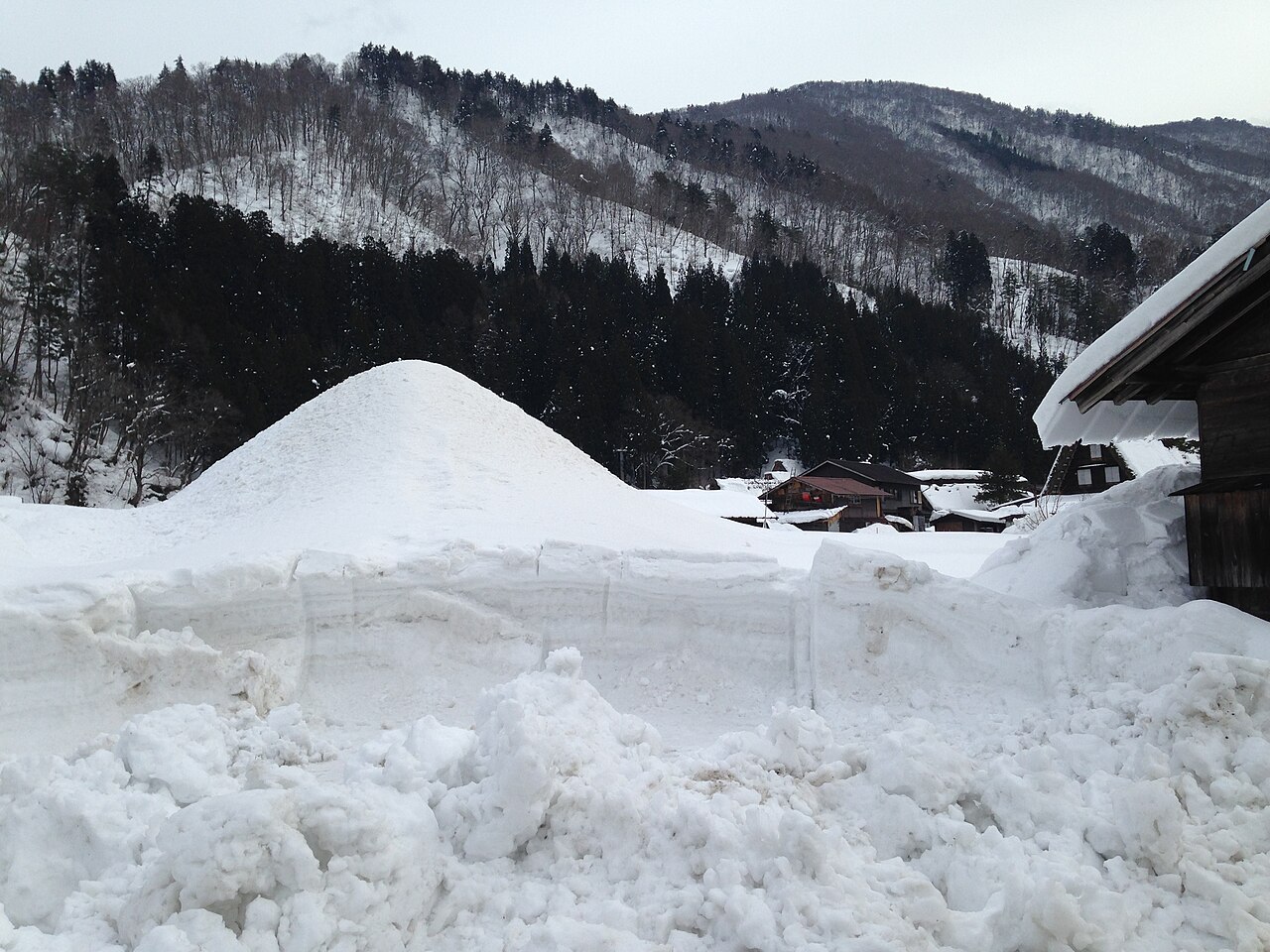
The answer most people want to hear is winter, and it is true. Snow smooths everything out and reduces the colours to white and the brown of the thatch, which is the image that made the village famous. The snow is usually at its deepest from late January to mid-February.
In winter there is one more thing people look for: the evening illumination, held on only a handful of days between January and February, when the whole village is lit up and the snow seems to glow. Be aware that it requires advance booking and places are very limited. Vehicles and accommodation in the area fill up months ahead. The dates change every year, so check that year’s schedule specifically rather than relying on the previous year’s dates.
Ask people who have been several times, however, and many will tell you the other seasons have their own rewards that are rarely mentioned. From late May to June the rice has just been planted and the water in the paddies is still enough to reflect each house, giving you two houses in one picture, one above the other. From October to early November the mountains around the village turn orange and red, and it is the most comfortable time of year for walking.
The spot seen on every postcard is the Shiroyama viewpoint, on the site of an old castle on the hill behind the village. From there you can see the whole village stretched out along the valley. It takes about twenty minutes to walk up from the village, and a shuttle runs up at certain times. Go early in the morning before the crowds, because the viewing area is smaller than you might expect.
What to Know Before You Arrive
First and most important, people really live here. Many of the houses are private homes that are not open to visitors, and only a few operate as museums or guesthouses. Walking into someone’s yard or photographing residents inside their homes causes real distress, and there are warning signs in several places around the village.
- Do not enter the grounds of any house that is not open to visitors, even if the gate is unlocked
- Do not fly drones unless you have specific permission
- Do not smoke outside the designated areas, since the whole village is built of wood and straw
- Do not walk into the rice paddies, even outside the growing season
- There are very few rubbish bins, so bring a bag to take your rubbish away with you
Second, vehicles cannot enter the village. You park on the other side of the river and walk in across a suspension bridge. The bridge itself is a popular photo spot, and on holidays there can be quite a queue.
Third, if you visit as a day trip you will see the village at its busiest, since most tour coaches arrive mid-morning and leave before evening. Those who stay overnight see a different village, from the time the last coach leaves until the following morning. Accommodation in the village is in gassho houses converted into guesthouses. There are very few of them, and they need to be booked several months ahead.
If Shirakawa-go is too crowded, there are two villages of the same kind that were listed as World Heritage at the same time: Ainokura and Suganuma, in the Gokayama area of Toyama Prefecture. They are smaller and far less crowded, and they give a clearer sense of a village going about its everyday life.
What to Combine It With
Shirakawa-go lies roughly halfway between Takayama and Kanazawa, each a little over an hour away, so most people do not come here on its own but make it part of a longer route.
The most popular route starts from Nagoya or Tokyo and goes to Takayama, an old town with streets of Edo-period wooden houses and a morning market. Stay one night there, then stop at Shirakawa-go on the way to Kanazawa, a city known for Kenroku-en garden and its old geisha district. End the trip in Kanazawa and take the shinkansen straight back to Tokyo. Three to four days is about right for this route.
The drawback of this route is that buses between the three towns run infrequently and seats must be reserved in advance during the busy season. Having a car with a driver lets you stop wherever you like along the way, without planning the whole day around bus departure times.
More Articles You May Like
A Long Layover at Narita? Explore the Towns Around the Airport on a Free Tour
Narita Airport has brought back its Transit & Stay Program after six years.
Tokyo to Mount Fuji: How to Get There and Which Side to Visit
A comparison of three ways to reach Mount Fuji from Tokyo and who each one suits, plus which side of the mountain to visit and when you have the best chance of seeing the summit.
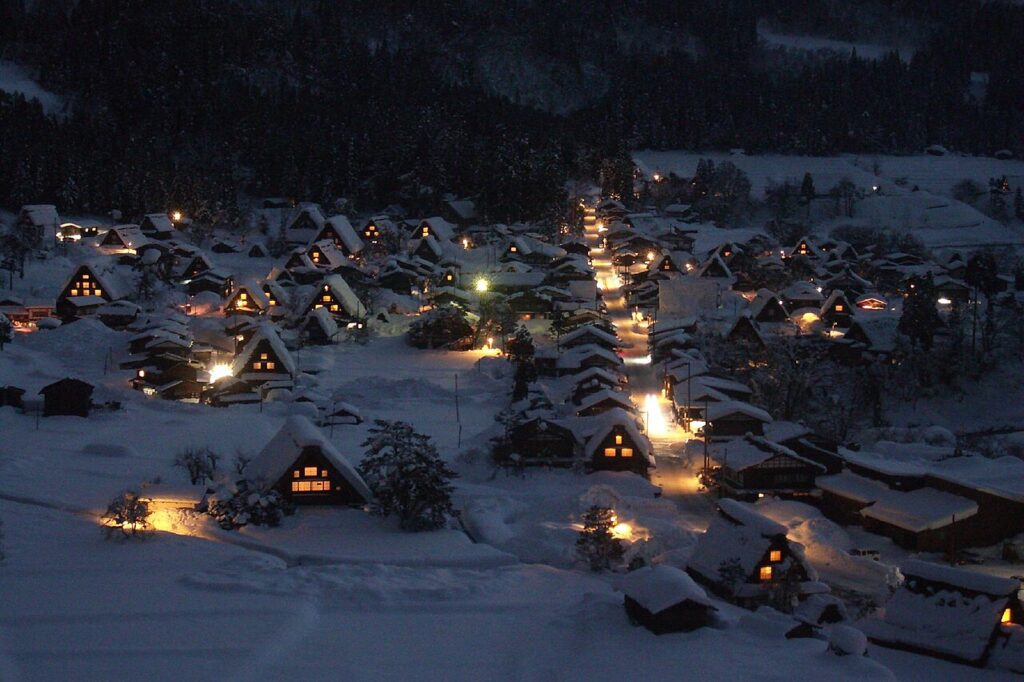
Shirakawa-go: The Thatched Village in the Mountains, and the Best Season to Go
Shirakawa-go is a village of thatched farmhouses in a mountain valley where people still live today.
Let Us Plan a Route That Suits Your Group
Tell us how many are travelling, how many days, and where you would like to go. We will plan the route and send you a quotation free of charge.