
Onsen Near Tokyo You Can Visit in a Day, No Overnight Stay Needed
17 September 2026
Many people assume that bathing in an onsen means booking a ryokan for the night, which takes up a full day of the trip. In fact, there are several onsen towns around Tokyo that you can comfortably visit in the morning and leave in the evening, and almost all of them have public baths you can use without staying.
Onsen Towns You Can Visit and Return from in a Day
The test for this article is that you must arrive with enough time to bathe and eat without rushing back. Every place in the table is close enough to leave in the morning and be back in Tokyo before dark.
| Town | What stands out |
|---|---|
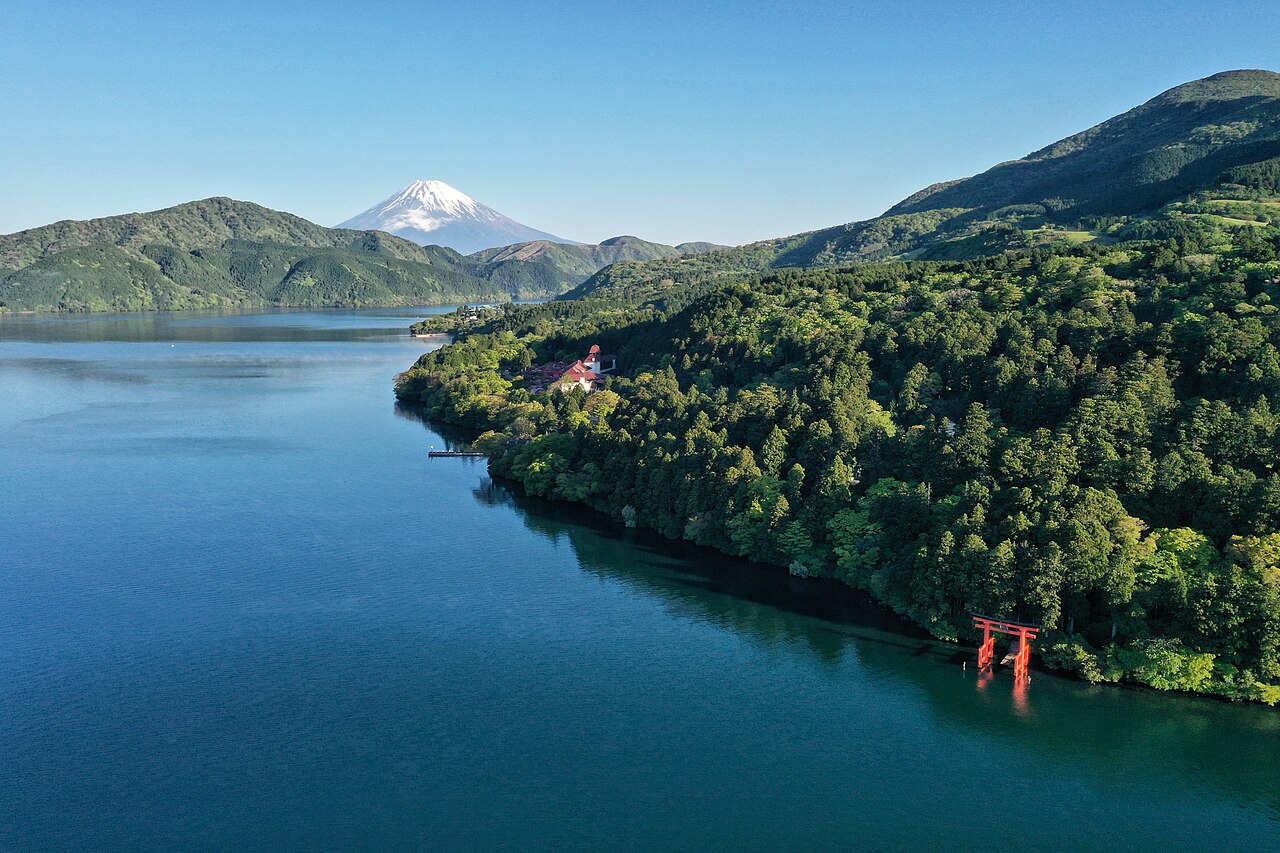
| Hakone | The most complete, with onsen, a lake, a ropeway and views of Fuji, ideal for a first visit |
| Atami | Seaside onsen, the fastest of this group by shinkansen, and a town that is pleasant to walk around |
| Kinugawa | On the Nikko side, easy to combine with Nikko in one day, with baths beside a river gorge |
| Kusatsu | Strong water with a clear sulphur smell, and the famous hot spring field in the middle of town |
| Ikaho | A long stone staircase through the old town, water in two colours, and fewer people than Kusatsu |
| Within Tokyo | If you have no time to leave the city at all, Tokyo has several large bathhouses and super sento |
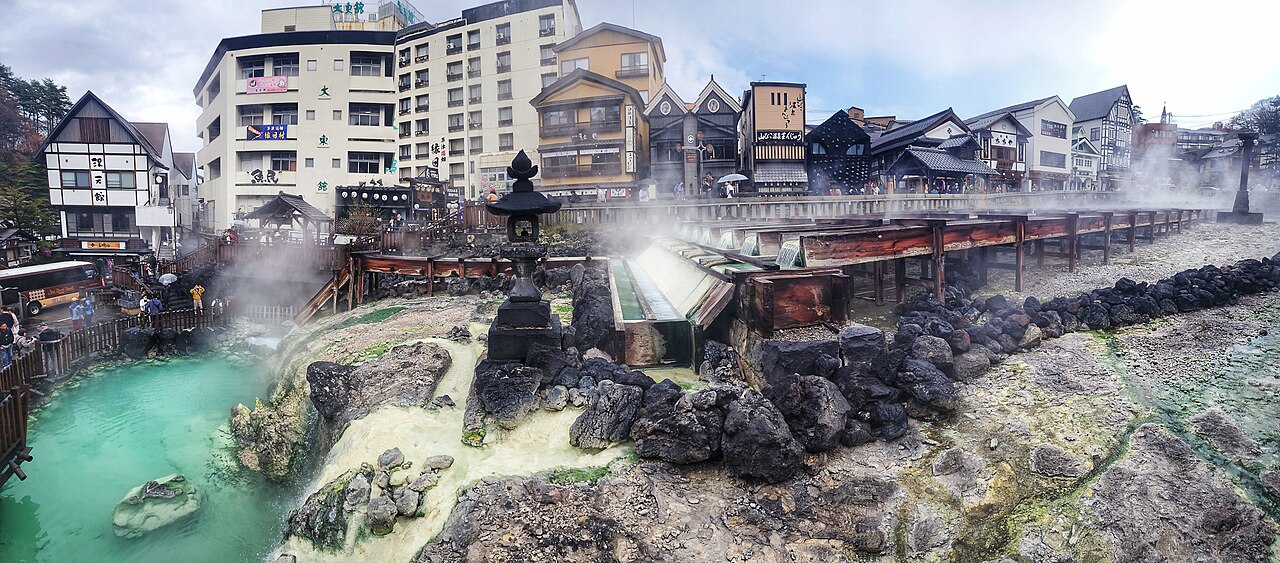
Hakone and Atami suit first-time visitors best because they have plenty of public baths and other things to do during the day. Kusatsu and Ikaho are further away and suit people who are going specifically to bathe.
Where You Can Bathe Without Staying the Night
The term to remember is higaeri onsen, meaning a bath you visit and leave on the same day. Almost every onsen town offers these three options.
- Public baths run by the town The cheapest option. Some are municipal, with the atmosphere of a place local people genuinely use.
- Ryokan that open their baths to day visitors You get a hotel-quality bath without staying. Most open from late morning to the afternoon, so check the hours before you go.
- Private hire baths Called kashikiri and booked by the hour, these suit families who want to bathe together or anyone who is not comfortable in a shared bath.
Something many people do not know about is the ashiyu, or foot bath. Almost every onsen town has them and most are free. If you are not ready to undress for a full bath, simply sitting with your feet in the water gives you the atmosphere.
Etiquette to Know Before You Get In
Onsen have clear rules and people in Japan take them seriously, but they are not difficult. These five points are all you need.
- Always wash thoroughly before entering the bath Sit at the showers beside the bath and rinse off all the soap. The bath is for soaking, not for washing.
- Enter the bath wearing nothing, including swimwear. If that is not comfortable for you, choose a private hire bath instead.
- Never dip the small towel in the water Rest it on the edge of the bath or fold it on top of your head.
- No loud voices and no photography in the bathing area The second rule is strictly enforced everywhere.
- Tie long hair up out of the water Most places provide hair ties where you leave your belongings.
Can You Go In with Tattoos?
This is one of the questions visitors ask most. The answer depends on the place. Many traditional onsen still refuse entry to people with tattoos, because tattoos were historically associated with organised crime. Today, however, there are several ways around it.
- Private hire baths The easiest option. Because no one else is in the bath, most do not restrict tattoos.
- Tattoo cover stickers These work for small tattoos, and some places sell them at the counter, but the tattoo must be fully covered.
- Accommodation with a bath in the room If you are serious about bathing and have a large tattoo, this removes the problem entirely.
- Always check before you go Every place has its own rules and they can change at any time. Ask before you travel rather than taking your chances at the door.
Which Season to Go, and What to Bring
Onsen can be enjoyed all year round, but each season feels distinctly different.
- Winter The most popular time. Soaking in hot water in cold air is what onsen are all about, and at some places you bathe surrounded by snow.
- Autumn leaves Outdoor baths framed by red leaves are at their most beautiful of the year, but it is busy and accommodation fills quickly.
- Summer The quietest time. Many places have shaded outdoor baths that are not as hot as you might think.
- What to bring A small towel, a hair tie and a bag for wet items. Some places lend these, but for a fee.
- Drink water before and after bathing Feeling faint after soaking too long is common, so get out and rest at intervals.
Almost all onsen towns are in the mountains and spread out, often needing several connections to reach. A car with driver helps because once you are warm from the bath you can get straight into the vehicle, rather than walking to stand at a bus stop in the cold.
More Articles You May Like
A Long Layover at Narita? Explore the Towns Around the Airport on a Free Tour
Narita Airport has brought back its Transit & Stay Program after six years.
Tokyo to Mount Fuji: How to Get There and Which Side to Visit
A comparison of three ways to reach Mount Fuji from Tokyo and who each one suits, plus which side of the mountain to visit and when you have the best chance of seeing the summit.
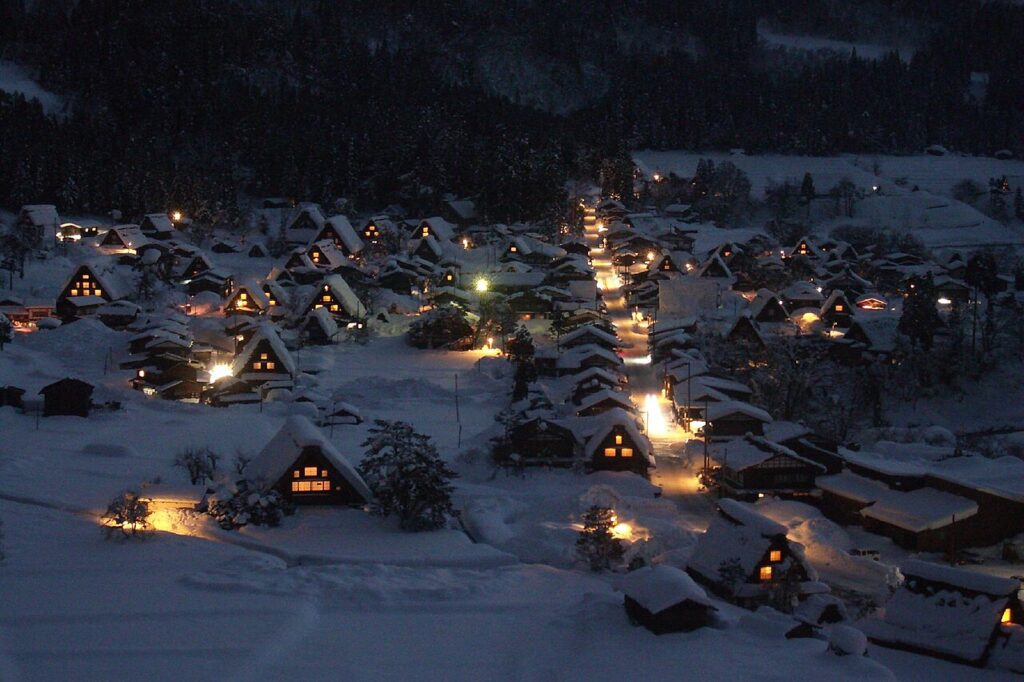
Shirakawa-go: The Thatched Village in the Mountains, and the Best Season to Go
Shirakawa-go is a village of thatched farmhouses in a mountain valley where people still live today.
Let Us Plan a Route That Suits Your Group
Tell us how many are travelling, how many days, and where you would like to go. We will plan the route and send you a quotation free of charge.